
asset services
Asset lifecycle management
RM Surveys provides an end-to-end spatial data service across the full asset lifecycle, integrating survey work at each phase so information stays connected as the project develops. That connected approach to asset lifecycle management gives all stakeholders better insights, more informed decision-making, and a dataset that remains useful long after the project is built.

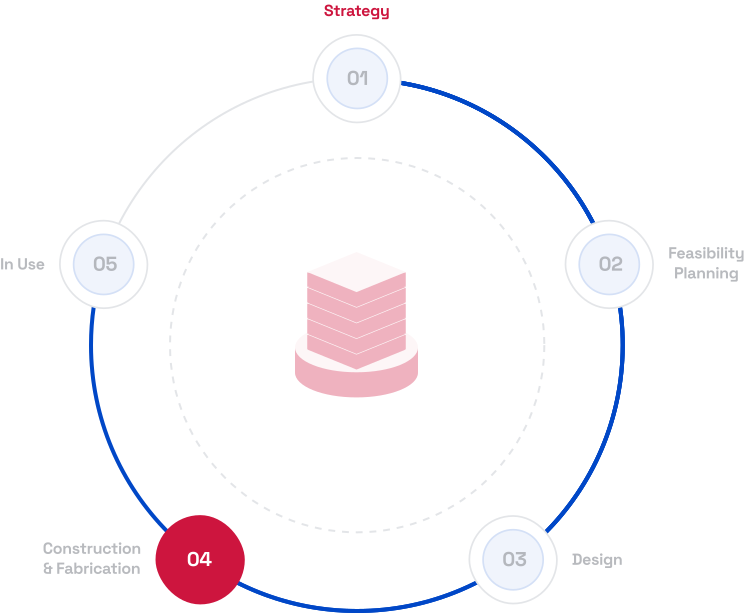
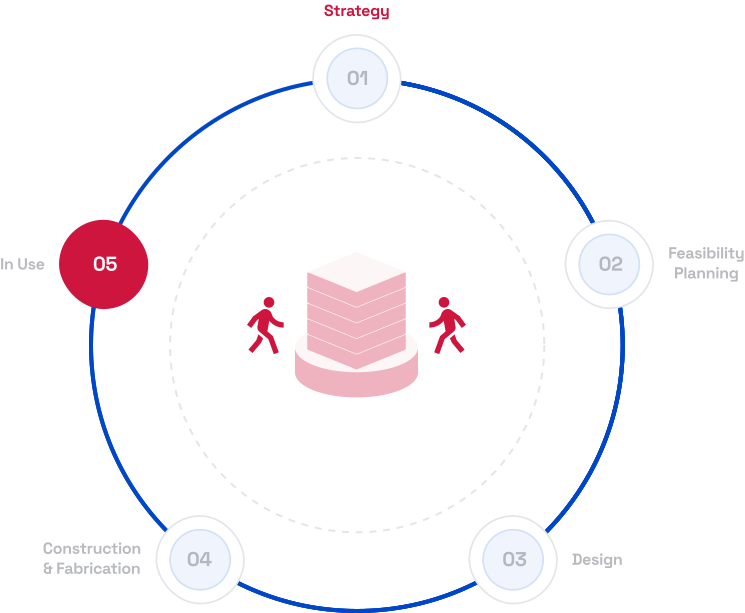
The Asset Lifecycle
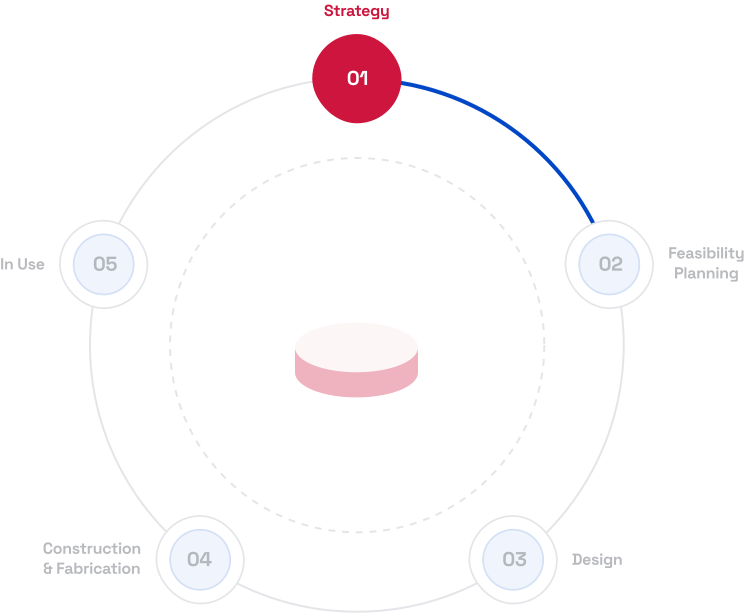
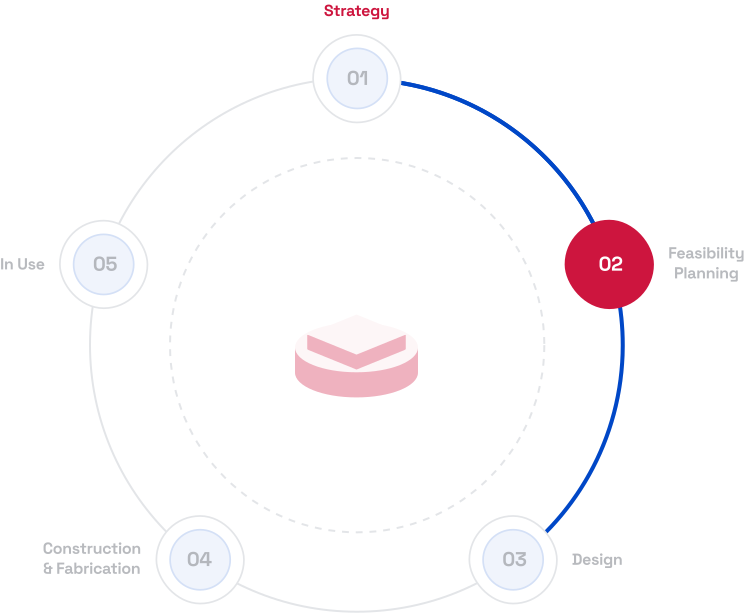
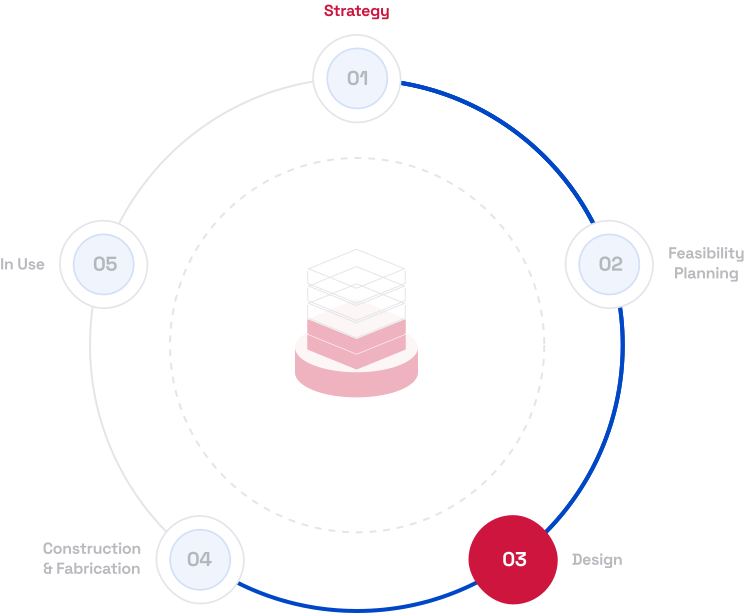
Every asset follows a lifecycle, from strategy and planning through to design, construction, operation and ongoing maintenance. Each stage builds on the decisions made before it, making reliable spatial information essential from the outset. By supporting every phase of the asset lifecycle, RM Surveys helps clients reduce risk, improve efficiency and make informed decisions that deliver better long-term outcomes.
Strategy
HOW RM SURVEYS SUPPORTS THIS STAGE
Decisions made during the strategy phase set the direction for everything that follows, and those decisions depend on having an accurate picture of the asset from the start. RM Surveys works with clients at this stage to build the spatial data foundation that reduces uncertainty and gives all stakeholders a clear, reliable basis for planning.
1. Informed decision making
2. Optimised resource allocation
3. Effective risk management
4. Clear stakeholder communication
5. Strategic long-term planning
Feasibility & Planning
HOW RM SURVEYS SUPPORTS THIS STAGE
Feasibility and planning is the stage where investment in accurate spatial data delivers the greatest return, because the decisions made here set the cost and compliance baseline for everything that follows. RM Surveys provides the surveying services that ensure project teams have a thorough, reliable picture of the site before those decisions are made.
1. Optimised site selection
2. Accurate visual representation
3. Enhanced risk assessment
4. Improved stakeholder engagement
5. Significant cost savings
6. Streamlined regulatory compliance
Design
HOW RM SURVEYS SUPPORTS THIS STAGE
The design phase builds on the data established during strategy and feasibility, and any gaps or inconsistencies in that foundation become harder to resolve the further a project progresses. RM Surveys provides the spatial data that keeps designers working from a consistent, current picture of the site, ensuring design decisions and approval documentation are grounded in the same reliable source.
1. Precise site analysis
2. Optimised layout and alignment
3. Visual simulation and modelling
4. Seamless collaborative design
5. Streamlined permitting and approvals
6. Proactive risk mitigation
Construction & Fabrication
HOW RM SURVEYS SUPPORTS THIS STAGE
The data established during design and planning becomes the reference point for every survey carried out during construction, making continuity between phases critical to keeping the build on track. RM Surveys supports the construction and fabrication stage with on-site surveying and the as-constructed documentation that gives project teams confidence the work reflects what was designed.
1. Precision planning
2. Optimised construction sequencing
3. Real-time progress tracking
4. Conflict detection and resolution
5. Safety management
6. Resource optimisation
7. Quality assurance
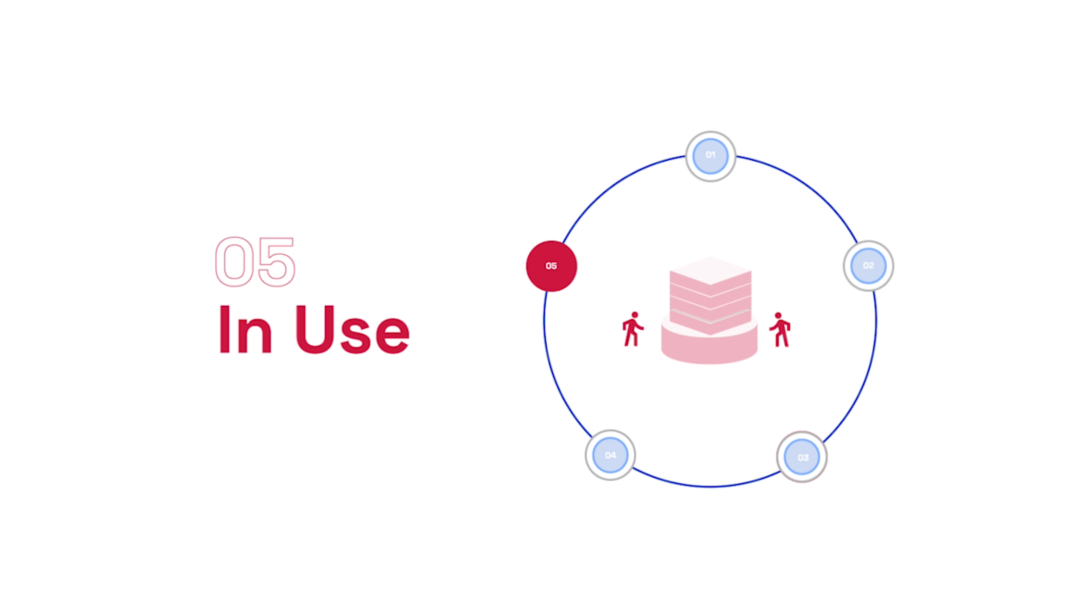
In Use
HOW RM SURVEYS SUPPORTS THIS STAGE
The in-use phase is often the longest stage of the asset lifecycle, and the quality of data maintained during this period has a direct bearing on maintenance costs and decisions about future works. RM Surveys supports asset owners through this stage with condition surveys and ongoing monitoring that keep asset records current and available when decisions need to be made.
1. RM Surveys provides comprehensive spatial data services to enable:
2. Ongoing condition and dilapidation surveys
3. Monitoring and deformation reporting
4. Updated as-constructed and asset records
5. Accurate data for maintenance planning
6. Compliance and regulatory documentation
7. Reliable information for refurbishment or expansion
What Stage Is Your Asset At?
Our Project
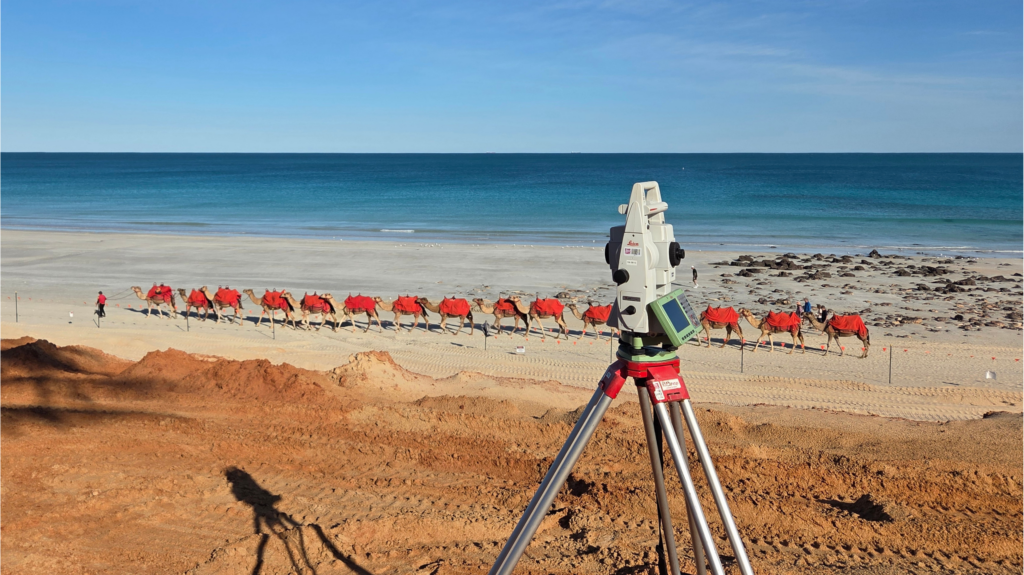
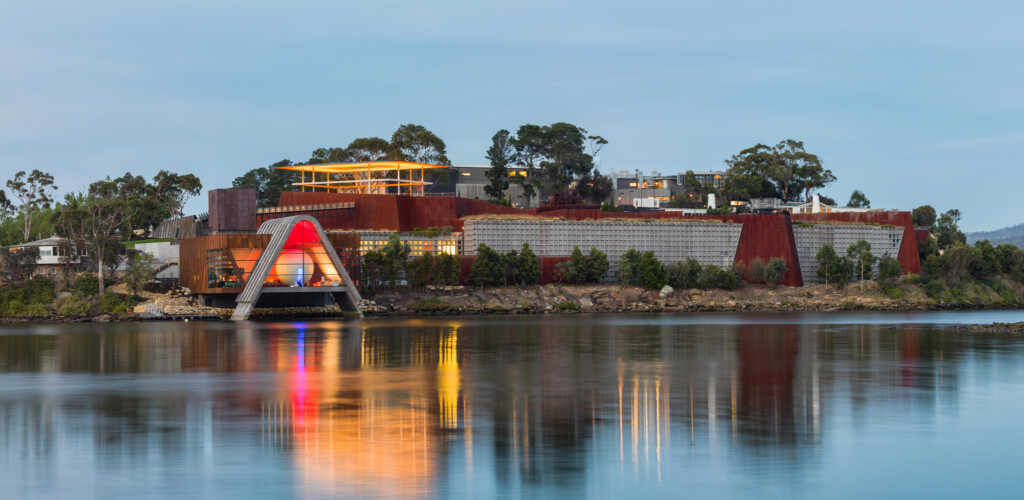
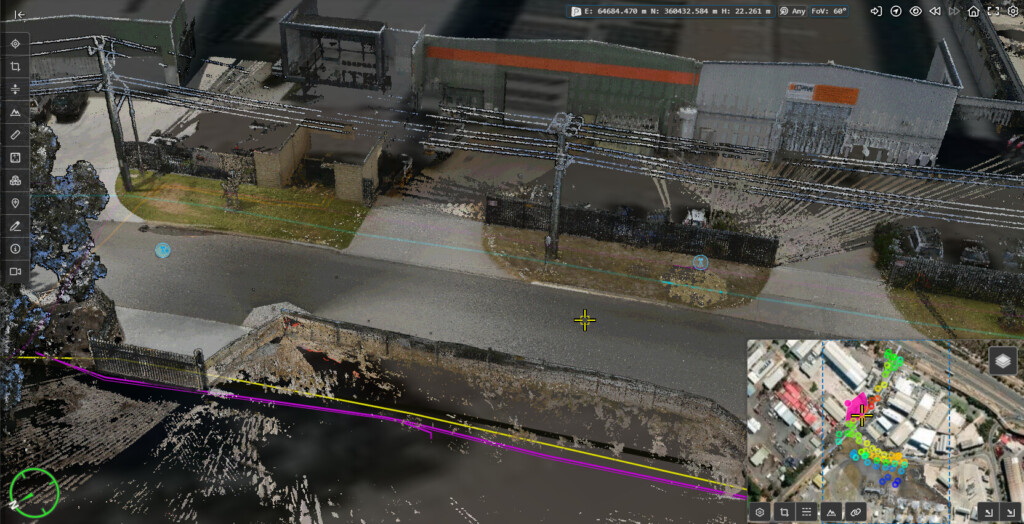
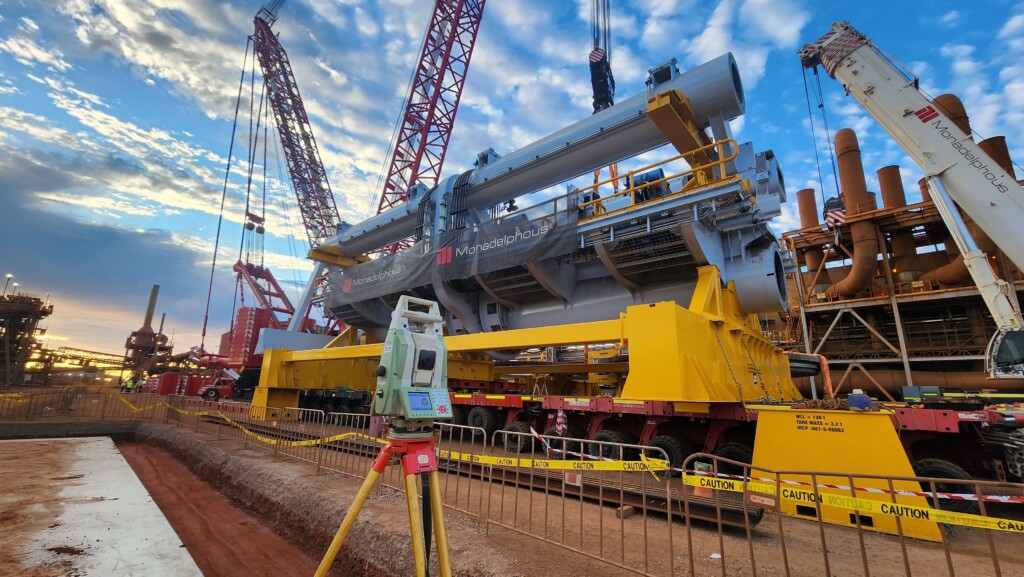
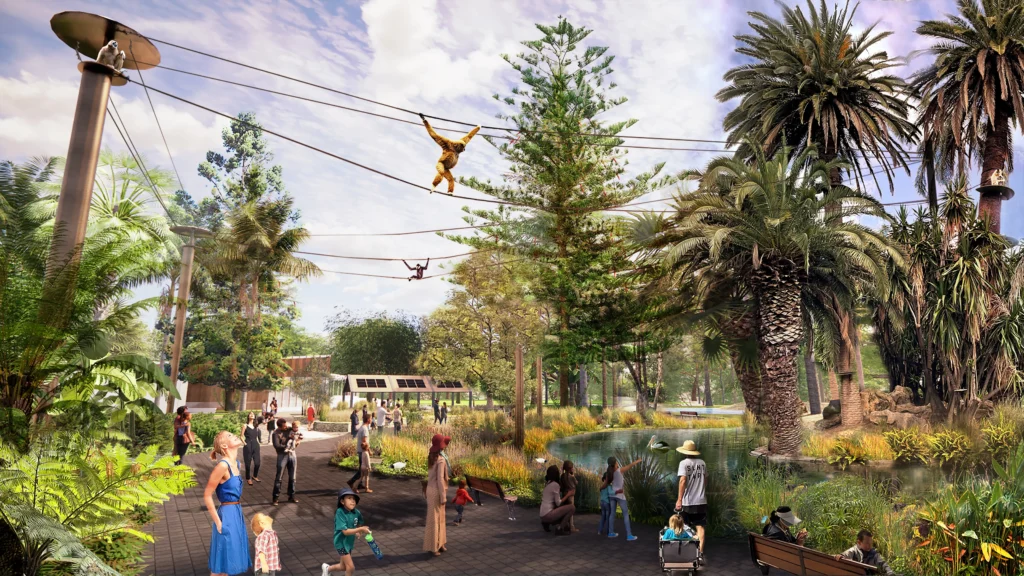
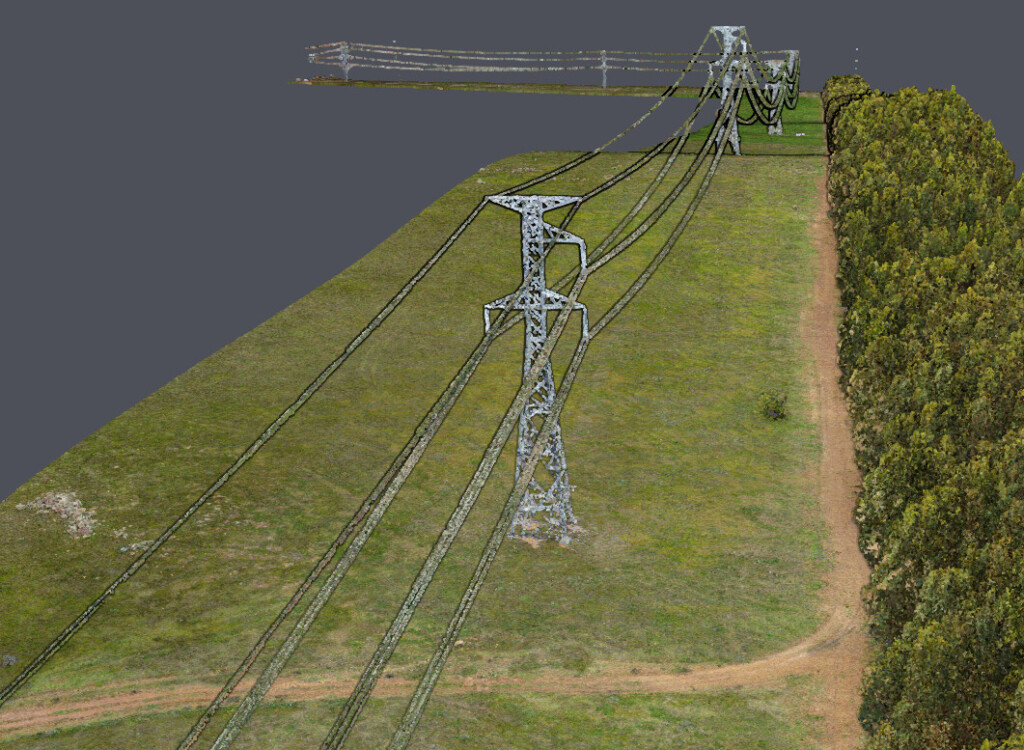
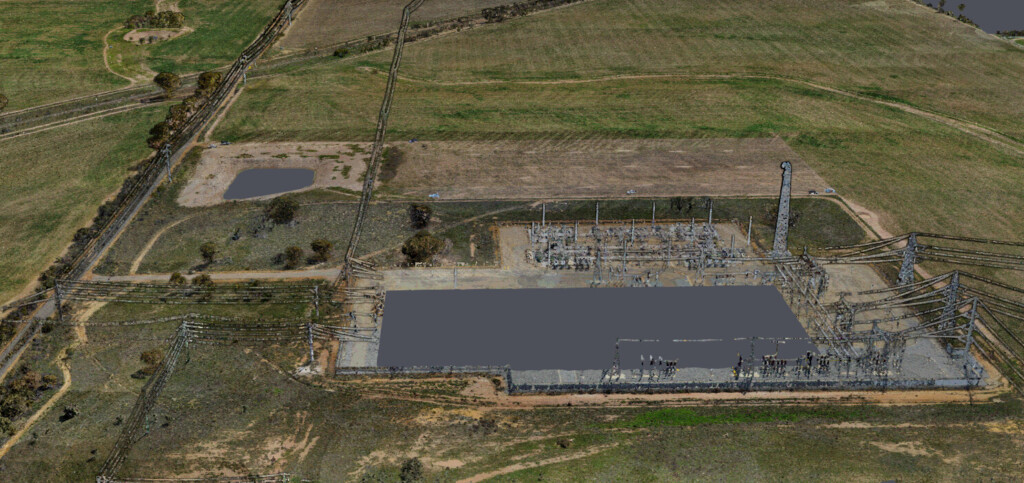
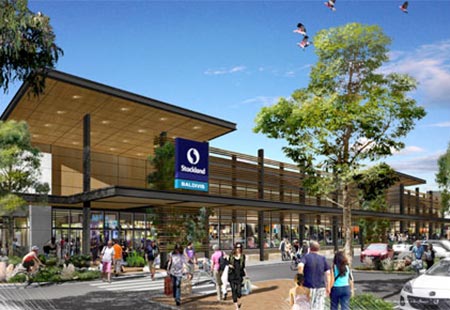
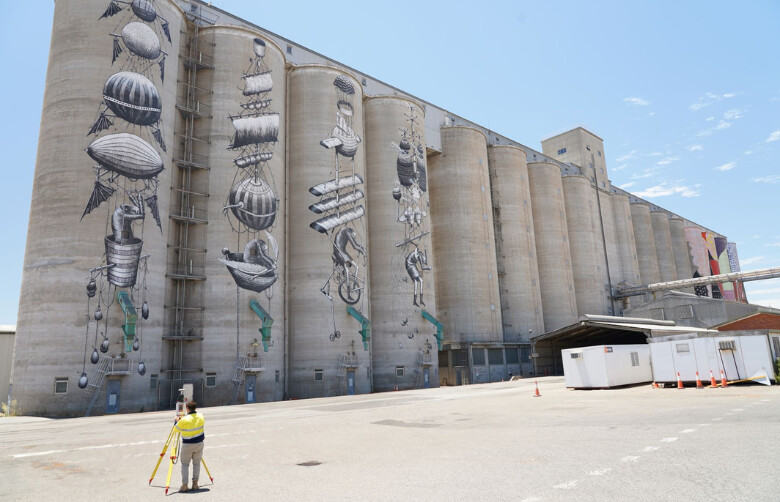
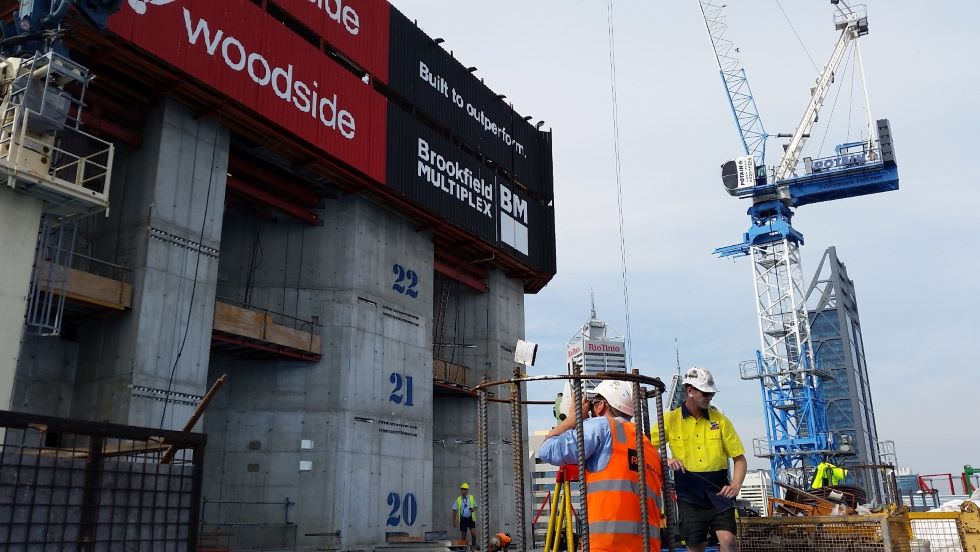
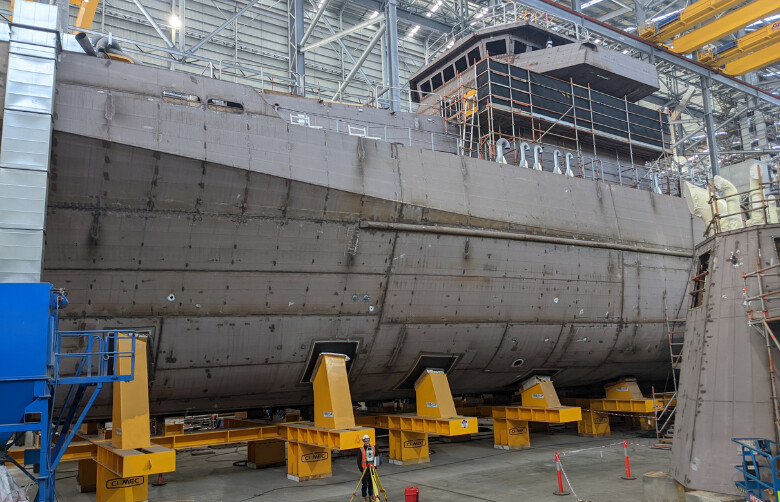
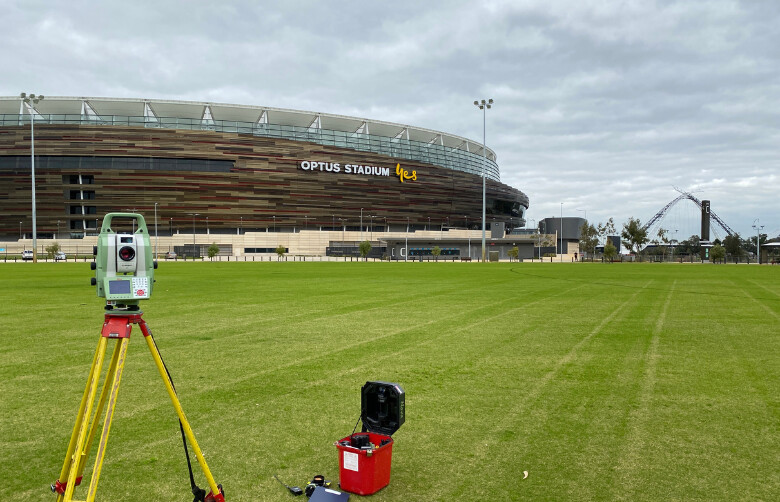
A selection of recent projects from across the RM Surveys portfolio.


Industry
Sectors
The sectors RM Surveys works across each carry different compliance requirements and operational pressures. That understanding shapes how every project is approached and how the data is delivered, with the output structured around what each client needs.
Frequently Asked Questions
What is the asset lifecycle and why does it matter for surveying?
The asset lifecycle covers the complete process of bringing a project from initial strategy through to ongoing operation. RM Surveys breaks it down into five stages where spatial data directly shapes the outcome, running from strategy and feasibility through design and construction to the in-use phase. Treating the surveying work as a connected service across all of those stages, rather than a series of separate engagements, means the data stays consistent and the decisions it supports stay reliable.
What is the benefit of working with one spatial partner across the full lifecycle?
The main benefit is continuity of data. When one consultant manages the spatial data across every stage, the project has a single, consistent point of truth throughout. That also means the people delivering the data understand the full history of the project rather than just one phase, and the client’s team is not left reconciling records from different sources.
What happens when spatial data is managed across multiple consultants?
When several consultants each handle a portion of the spatial data across a project, the records they produce rarely align cleanly. Formats differ between providers, and the gaps in the overall picture are where inconsistencies tend to hide. Those inconsistencies often go unnoticed until later in the project, at which point they are far more expensive to address.
When is the right time to engage with RM Surveys?
The earlier the better. Engaging RM Surveys at the strategy or feasibility stage means spatial data is in place before key decisions are made, surfacing potential issues before they become expensive to address. Investment in surveying at the start of a project delivers a return across the full lifecycle, because the problems it helps avoid during planning are far more costly to fix once construction is underway.